This is what you shall say to them: “The gods that did not make the heavens and the earth will perish from the earth and from under these heavens.”
Jeremiah 10:11-12 (NASB 2020)
It is He who made the earth by His power,
Who established the world by His wisdom;
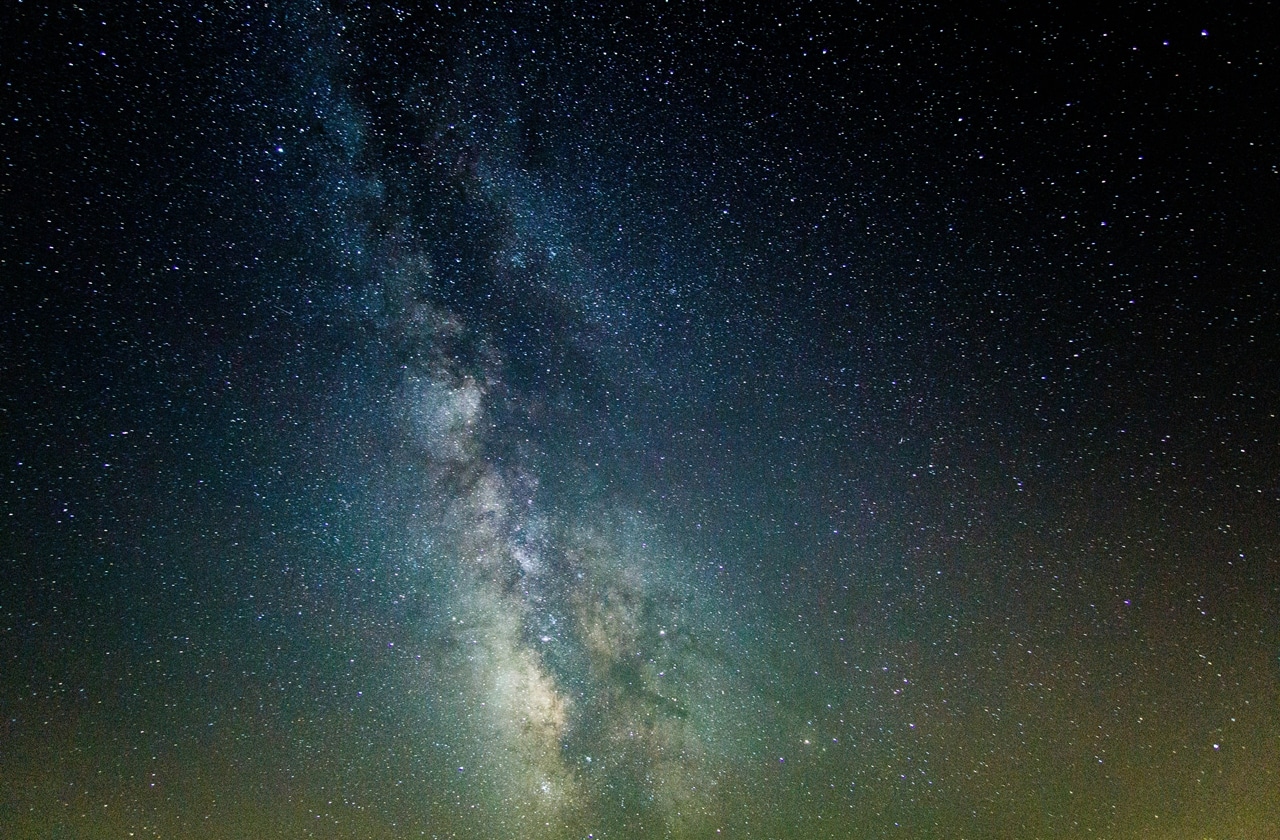
And by His understanding He has stretched out the heavens.
What distinguishes the God of the Bible from the many other gods that have been worshipped around the world and throughout history? This passage illustrates a fundamental difference between them.
The gods worshipped in ancient Egypt, Mesopotamia, Canaan, and the Greek and Roman pantheons all had one thing in common. They were contained within the creation. While they were envisioned as having power and control over various elements of the world, they had no independence from it. Their existence was bound up in the creation. And when it comes to an end, so will they.
In contrast, the God of the Bible transcends the creation. He exists outside of the creation and is responsible for it. His power, wisdom, and understanding produced the heavens and the earth. He was before this creation came into existence. And He will be long after it ceases to exist.
This is reflected in the creation stories of the ancient peoples. Most of them start with an existing, although chaotic, creation. And the gods emerge from that chaos and then give shape to it (Zoroastrianism is a notable exception). But the creation story in Genesis reverses that. It begins with God. And He created the heavens and earth, giving shape and form to all that is.
The God of the Bible is not just one more god among many that you might choose from. Only He is transcendent, creator, and without rival, fundamentally different from every other god. He is the God who made the heavens and the earth.
Note: You may or may not believe that Allah is the God of the Bible. In many ways, he is quite different from the God described in the Bible. But Islam agrees with Genesis that God (Allah) is the uncreated creator of all that is.

